
Written by: 360 Early Education
Read time: 4 min read
KEY TAKEAWAYS
- Young children find transitions genuinely hard — not because they’re being difficult, but because the brain systems for self-regulation and flexible thinking are still developing.
- Every transition is a learning opportunity: each small managed change builds the executive functioning skills that predict later academic success
- There are five simple strategies families can use at home and at drop-off that make a real difference.
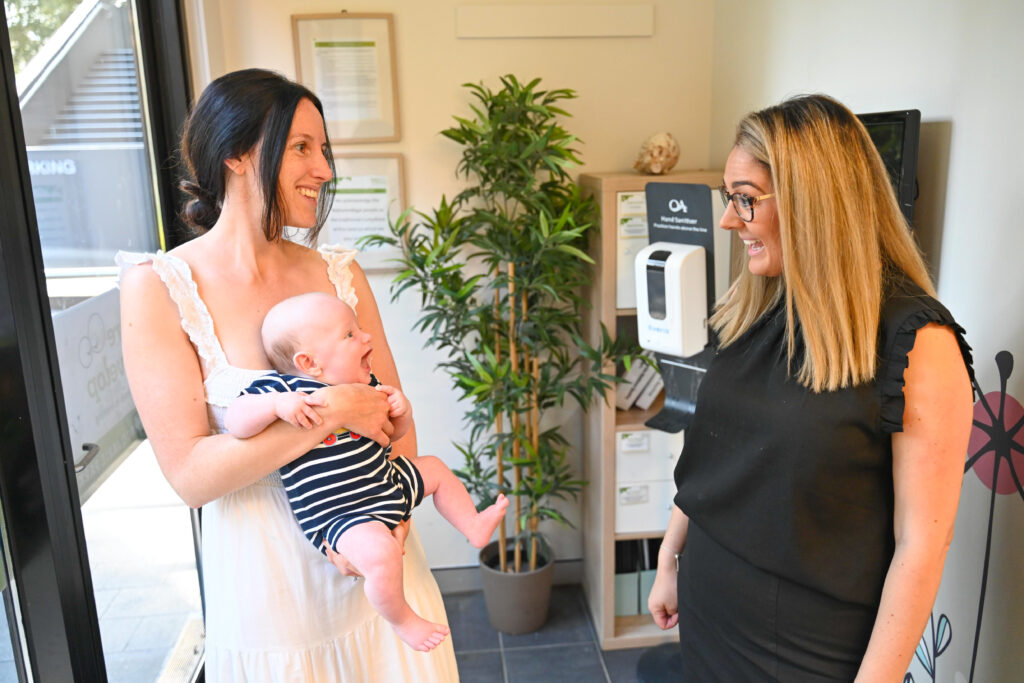
Table of Contents
Why Do Young Children Struggle With Transitions?
Young children experience change far more intensely than adults often realise. What seems small to us; moving from the car to the classroom, saying goodbye at drop-off, moving to a new room, or even leaving the breakfast table to put on our shoes, can feel enormous to a developing brain.
That’s not because children are trying to be difficult. It’s because their brains are still learning how to manage uncertainty.
During the early years, the areas of the brain responsible for self-regulation, flexible thinking, and emotional control are still developing. Research from the Harvard Center on the Developing Child shows that these executive functioning skills develop gradually through repeated, supported experiences with manageable challenges. In other words, children need to be challenged to learn how to be challenged. They learn by experiencing change and uncertainty alongside regulated, predictable adults.
At 360 Early Education, a great deal of thought goes into how we support children through transitions; both the small daily ones and the bigger developmental milestones.
Why Transitions Matter
Transitions are not simply logistical moments in the day. Every transition is an important learning opportunity.
Every time a child successfully moves from one activity to another, waits for their turn, packs away a toy, or says goodbye to a parent, they are practising the skills that underpin lifelong resilience:
• managing emotions
• coping with uncertainty
• shifting attention
• regulating behaviour
• trusting that adults will help them through challenges
These are the foundations of executive functioning, which research consistently shows are among the strongest predictors of later academic success and wellbeing.
Because of this, high-quality early childhood programs treat transitions as intentional parts of the learning environment, and not something to rush through, avoid or “do for” the child.
5 Practical Ways to Support Children Through Change
There are several simple strategies that can make a big difference:
- Give children advance notice
- Keep routines predictable
- Acknowledge emotions
- Create connection before separation
- Allow children to participate in the transition
1. Give children advance notice
Young children cope far better with transitions when they know what is coming. A simple warning such as “one more song, then we’ll wash our hands for lunch” allows the brain to prepare for the shift. Using something tangible to the child, like a song, a turn, or a number of swings, is also more helpful than something abstract like time.
2. Keep routines predictable
Children feel safer when the rhythm of the day is consistent. Predictable routines help children understand what comes next and reduce the anxiety that uncertainty can create. This doesn’t mean doing the same thing every day, but a general flow goes a long way to helping children feel safe and secure.
3. Acknowledge emotions
Children often protest transitions because they are enjoying what they are doing. Rather than dismissing the feeling, naming it can help:
“I can see you were really enjoying building that tower. It’s hard to stop.”
Being understood helps children calm more quickly.
4. Create connection before separation
At drop-off, a short moment of connection like reading a page of a book together, helping set up an activity, or helping your child to join in a game or small group activity can make the transition from home to the early learning environment much smoother.
5. Allow children to participate in the transition.
Giving children small roles like carrying their lunchbox, helping pack away materials, or choosing the next activity helps them feel capable and involved. This feeling of efficacy can help to curb dysregulation that can come from feeling out of control.
How We Support Transitions at 360
Supporting children through change is a huge part of what educators do every day.
At 360 Early Education, educators plan transitions carefully and intentionally. Children are supported by consistent primary educators who know them well, understand their cues, and can provide reassurance when needed. This continuity of relationships helps children feel secure even when the environment around them shifts.
Our environments are also designed to reduce stress during transitions. Educators use visual cues, predictable routines, and clear communication so children know what is happening and what comes next.
For larger transitions, such as moving to a new room or preparing for school, educators work closely with families to ensure children feel confident and supported. Gradual visits, relationship building, and shared information all help make these changes feel manageable.
Over time, children who experience thoughtful, supportive transitions begin to see themselves as capable of handling change, and with time that confidence becomes resilience; which is something we strive to build in every single person in our community, every single day.
References
Center on the Developing Child at Harvard University – Executive Function and Self-Regulation
Shonkoff, J. & Phillips, D. (2000). From Neurons to Neighborhoods: The Science of Early Childhood Development
Australian Children’s Education & Care Quality Authority – Belonging, Being & Becoming: The Early Years Learning Framework for Australia
Denham, S. et al. (2012). Social-Emotional Learning and Early Childhood Education
OECD (2017). Starting Strong V: Transitions from Early Childhood Education and Care to Primary Education
FAQs
Why does my child cry or resist at childcare drop-off — is something wrong?
Not at all. As the article explains, young children experience transitions far more intensely than adults realise — “that’s not because children are trying to be difficult. It’s because their brains are still learning how to manage uncertainty.” The areas responsible for self-regulation and flexible thinking are still developing, which is why a goodbye at drop-off can feel enormous to a young child.
What can I do at home to make childcare transitions easier?
There are five strategies covered in this article that make a real difference: giving advance notice using tangible cues (like a song or a number of turns), keeping daily routines predictable, naming your child’s emotions rather than dismissing them, creating a short moment of connection at drop-off, and giving your child a small role in the transition so they feel capable and involved.
How do 360 educators support children through bigger transitions like changing rooms or starting school?
For larger transitions, 360 educators work closely with families to ensure children feel confident and supported. “Gradual visits, relationship building, and shared information all help make these changes feel manageable.” Children are supported by consistent primary educators who know them well, understand their cues, and can provide reassurance throughout.